Mitsubishi Pajero
Mitsubishi Pajero Spare Parts UAE
The Mitsubishi Pajero (marketed as Montero in some regions, Shogun in UK markets) is a proven heavy-duty SUV with strong presence across UAE, Saudi Arabia, Kuwait, Qatar, Bahrain, and wider GCC markets. Both the full-size Pajero and the Pajero Sport (Montero Sport / Challenger) variant serve family transport, commercial fleet operations, off-road enthusiasts, and desert touring across demanding Middle East conditions. Known for robust Super Select 4WD technology, proven diesel powertrains, and competitive pricing versus Toyota and Nissan rivals, Pajero generates steady parts demand from high-mileage use, desert environment stress, and active off-road duty cycles.
Mosarat Auto Parts connects Pajero owners, workshops, fleet operators, and dealers across MENA to vetted UAE wholesale suppliers offering genuine Mitsubishi parts, OEM-equivalent alternatives from Japanese manufacturers, and quality aftermarket brands with clear quality tier labeling and export-ready pricing.
This guide covers the most requested Mitsubishi Pajero spare parts across generations (V60/V80 full-size, KG/KH Pajero Sport), genuine Mitsubishi vs OEM vs aftermarket decision frameworks for commercial and retail buyers, UAE sourcing advantages for GCC-spec parts availability, VIN-based identification to match generation and variant specifications, common wear parts accelerated by desert sand and heat, international shipping logistics to Africa and South Asia export lanes, and Mosarat's RFQ workflow optimized for workshop efficiency and fleet procurement cost control.
Why UAE for Mitsubishi Pajero Spare Parts UAE
Dubai concentrates authorized distributors, regional aftermarket agents, and specialist importers serving Middle East, African, and Asian trade lanes. For buyers seeking spare parts for Mitsubishi Pajero, UAE sourcing offers unmatched availability depth, competitive wholesale pricing, and supply chain speed that single-market suppliers rarely achieve.
GCC-spec spare parts differ from other regional variants with enhanced specifications suited to extreme heat, humidity, sand, and dust. VIN-based verification prevents costly fitment errors caused by market-specific engineering variations.
Why Choose Mosarat Auto Parts
- Genuine, OEM-equivalent, and verified aftermarket spare parts clearly labeled by quality tier and origin
- VIN verification to match specific chassis configurations and avoid compatibility errors
- Expert procurement team with direct access to UAE wholesale networks and authorized distributors
- Competitive pricing leveraging Dubai's concentrated supply ecosystem
- International shipping to GCC, Levant, Africa, and South Asia with full customs documentation
- WhatsApp support and online RFQ portal for fast itemized quotes typically within 30 minutes
Why Pajero Parts Demand Remains Strong in GCC Markets
Mitsubishi Pajero serves demanding duty cycles across UAE, Saudi Arabia, Kuwait, and wider GCC markets: commercial site transport in construction and oil sectors, family vehicles for desert excursions, government fleet operations, and rental services. Both the long-running third generation (1999-2006) and fourth generation (2006-present) remain widely deployed due to proven off-road capability, available parts inventory, and strong resale value retention in GCC markets.
GCC-spec Pajero models feature enhanced cooling packages (larger radiators with additional rows for 45-50°C ambient operation), reinforced suspension components (heavy-duty springs and dampers for load carrying and rough terrain), multi-stage air filtration (protection against sand and dust ingestion), corrosion-resistant undercoating (coastal humidity and salt protection), and upgraded electrical systems (higher-capacity alternators for AC and accessory loads). These regional engineering differences are VIN-encoded and vary even when model year and trim level appear identical.
Pajero resale value depends on documented service history and parts quality. Private buyers and dealers scrutinize maintenance records during transactions — vehicles with verified genuine or quality OEM parts sourcing, complete service documentation, and proper maintenance intervals command premium resale pricing. Fleet operators must balance upfront part costs against residual asset value when disposing vehicles after 3-5 year operational cycles.
Mitsubishi Pajero Spare Parts UAE Categories and Specifications
Below are high-frequency part categories requested for Pajero across generations and applications. Prices vary significantly by generation (third-gen vs fourth-gen), engine type (petrol vs diesel), quality tier (genuine / OEM / aftermarket), destination country, and order volume — request live UAE quotes for accurate pricing and lead times.
Brake System Components
Purpose: safe stopping power for 2.2-2.5 ton vehicle plus passenger, cargo, and trailer capacity up to 3,000kg combined. Symptoms: squealing or grinding noise during stops, reduced pedal bite requiring extended stopping distances, pulsation through brake pedal indicating rotor warping, dashboard brake warnings, visible scoring or heat cracks on disc surfaces, uneven pad wear patterns, brake fluid contamination from seal degradation. Replacement interval: accelerated by loaded use (towing caravans, full passenger capacity with cargo), high ambient heat (45-50°C summer temperatures increase friction material wear rates 30-40%), aggressive driving patterns (commercial site transport with frequent stops), and dust ingress into brake assemblies common in GCC environments.
Pajero brake systems use ventilated front rotors with solid or ventilated rear rotors depending on generation and trim level. Parts availability is strong across genuine Mitsubishi, OEM (Advics, Akebono, Tokico), and aftermarket tiers. Commercial fleet operators often specify genuine or premium OEM due to intensive duty cycles and liability concerns with safety-critical components. Genuine Mitsubishi brake components offer consistent friction characteristics, minimal noise generation, and low dust production. Premium friction brands (Brembo, Textar, Akebono) provide equivalent or superior performance with documented OE testing.
Economy aftermarket pads are acceptable for price-led commercial fleet use when quality policy allows, but may generate more dust, noise, and require more frequent replacement cycles — total cost of ownership should factor labor hours, comeback risk, and customer satisfaction, not just part purchase price. For rental fleet and dealer service applications where customer perception matters, genuine or premium OEM parts protect brand reputation and reduce callback frequency.
Suspension and Steering Components
Purpose: control body motion, maintain tire contact, preserve ride comfort under varying load from empty to fully laden. Symptoms: excessive nose dive under braking indicating worn front struts, rear squat when loaded showing failed rear shocks, bouncing or floating sensation over highway undulations, wandering or imprecise steering feel, uneven tire wear patterns (inside or outside edge wear), visible oil leaks on damper body, clunking or knocking noise over bumps indicating worn bushings or ball joints. Replacement interval: shortened by off-road use (desert driving, wadi crossings, unpaved tracks), loaded operation (constant full-capacity transport), rough road surfaces (potholes, speed humps, broken pavement common in GCC), and high-frequency duty cycles.
Pajero suspension uses independent front torsion bar or coil spring design (generation-dependent) with multi-link or solid axle rear suspension. Shock absorbers are high-wear items in GCC service — combination of rough surfaces, high ambient heat (degrades damper oil viscosity and seal materials), and loaded vehicle operation accelerates replacement cycles. Premium shock brands (Bilstein, KYB Gas-a-Just, Monroe, Old Man Emu for off-road applications) offer better heat dissipation through gas-charged designs, longer service life with superior seal materials, and more consistent damping characteristics over component lifespan.
Ball joints, tie rod ends, control arm bushings, and sway bar links require periodic inspection and proactive replacement. Rubber components degrade faster in GCC heat and UV exposure. Safety-critical steering components (ball joints, tie rod ends) warrant genuine or proven OEM brands — complete failure can cause loss of steering control. Workshop operators should inspect entire suspension and steering system during brake or shock replacement rather than waiting for complete failure — proactive approach reduces comebacks and improves customer safety outcomes.
Engine Air and Cabin Filters
Purpose: protect engine intake from sand and dust causing cylinder wear; maintain HVAC performance and cabin comfort. Symptoms: poor throttle response and sluggish acceleration indicating restricted airflow, higher fuel consumption as ECU compensates for reduced oxygen, visible dust accumulation when filter inspected, weak AC airflow from blocked cabin filter, musty odors in cabin indicating biological growth on filter media. Replacement interval: extremely short in GCC desert environments where airborne sand and dust far exceed temperate market levels — engine air filters often require replacement every 8-12k km vs standard 30-40k km intervals specified for cleaner environments.
Pajero engine air filter design uses large-area pleated media with sealing gaskets that must mate properly to filter housing to prevent dust bypass — even small gaps allow abrasive particles to enter engine causing accelerated cylinder, piston ring, and bearing wear that can total thousands of AED in repair costs. Genuine Mitsubishi filters use dense cellulose or synthetic media properly sized for GCC dust loading, with quality sealing materials maintaining integrity across temperature extremes. Quality aftermarket (Mann, Bosch, Mahle, K&N when high-flow oiled-cotton filters acceptable for modified engines) are acceptable when fitment, media specifications, and seal quality confirmed.
Avoid ultra-cheap no-name filters sold without brand identification — these often use thin, loosely-pleated media and poor-quality seals allowing dust bypass, potentially causing expensive engine damage. Cabin filters should be replaced every 10-15k km in GCC use to maintain AC performance and cabin air quality. Clogged cabin filters reduce blower motor service life by increasing back-pressure and current draw — premature blower motor failure costs 500-800 AED that proper filter maintenance would prevent.
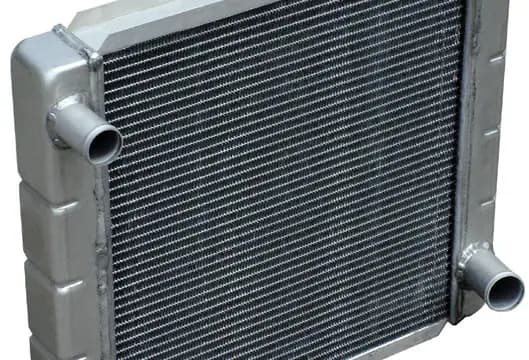
Cooling System and Water Pumps
Purpose: circulate engine coolant to maintain optimal operating temperature (85-95°C) and reject waste heat via radiator airflow — critical function in GCC summer ambient temperatures of 45-50°C where cooling system stressed far beyond design margins intended for temperate climates. Symptoms: coolant loss without visible external leak indicating internal head gasket breach or radiator core corrosion, engine overheating in traffic or under load showing insufficient cooling capacity, bearing noise or squealing from water pump pulley bearing failure, weeping coolant from pump weep hole warning of imminent seal failure, radiator cap pressure loss indicating seal degradation, milky or contaminated coolant suggesting oil or ATF cross-contamination.
GCC heat and dust make cooling system failures a top RFQ category for Pajero workshops — ambient temperatures exceed radiator design points, dust clogs radiator fins reducing airflow efficiency, and extreme thermal cycling (cold start to full operating temperature daily) accelerates component fatigue and failure rates. Radiator cores experience accelerated corrosion due to high mineral content in regional coolant mixes, aggressive coolant additives used to raise boiling points, and frequent thermal cycling that stresses solder joints in aluminum/plastic tank designs. Many radiators develop leaks at plastic tank mounting points or tube-to-fin joints after 5-7 years in GCC service vs 10+ years in temperate markets.
Water pumps fail from bearing degradation (accelerated by heat and contaminated coolant), seal wear (allowing coolant weeping that progresses to bearing seizure), and impeller corrosion or cavitation damage. Replace thermostats proactively when replacing water pumps — labor already committed, and thermostat failure shortly after pump replacement creates costly comeback and customer dissatisfaction. Genuine or quality OEM cooling components (AISIN, NPW, Koyo radiators, GMB water pumps) preferred due to critical nature — overheating failures can cause cylinder head warping, head gasket failure, and expensive engine damage totaling 5,000-15,000 AED depending on severity.
Transmission and Drivetrain Parts
Purpose: transfer engine power to wheels through transmission, transfer case, differentials, and axle shafts while accommodating terrain variations and load changes. Symptoms for automatic transmission: slipping between gears indicating worn clutch packs, delayed engagement when shifting from park to drive, harsh shifting or clunking, whining or grinding noise suggesting bearing or gear wear, burnt smell from overheated ATF, transmission warning light illumination. Symptoms for transfer case and differentials: whining or howling noise varying with speed indicating bearing wear, clunking when engaging 4WD modes, vibration at highway speeds suggesting driveshaft imbalance or worn U-joints, limited-slip differential chattering in turns indicating worn clutch packs or contaminated fluid.
Pajero drivetrain uses proven automatic transmissions (4-speed or 5-speed depending on generation) with Super-Select 4WD transfer case offering 2H, 4H, and 4HLc modes with center differential lock. Parts availability spans genuine Mitsubishi, remanufactured core exchange units, and OEM-equivalent rebuild kits. ATF and differential fluid quality is critical in GCC heat — synthetic fluids offer better high-temperature protection, longer change intervals, and superior wear protection compared to conventional oils. Change intervals should be shortened in severe duty (towing, off-road use, commercial operations) from standard 60k km to 40-50k km.
Transmission rebuilds on high-mileage Pajero (200k+ km) are common in commercial fleets operating intensive duty cycles. Workshop operators should source quality rebuild kits with OEM-equivalent clutch packs, seals, and bearings — economy rebuild kits using inferior friction materials fail prematurely under GCC heat and loaded operation, creating expensive comebacks and customer disputes. Differential maintenance (fluid changes, bearing inspections) prevents catastrophic failures that can cost 3,000-8,000 AED in parts and labor. For commercial operators, proactive drivetrain maintenance dramatically reduces vehicle downtime costs and operational disruption.
Electrical System and Batteries
Purpose: alternator generates electrical power to charge battery and supply vehicle electrical systems; starter motor cranks engine for combustion start; battery stores charge for starting and powers accessories when engine off. Symptoms: slow cranking or no-start condition indicating weak battery or failed starter, battery warning light on dashboard showing insufficient alternator output, dimming lights under electrical load (AC, headlights, audio), clicking noise from starter solenoid without engine cranking indicating solenoid failure or low battery voltage, repeated battery failures suggesting alternator undercharging or parasitic drain, electrical system instability in vehicles with aftermarket accessories.
High ambient heat accelerates battery fluid loss through evaporation and internal plate degradation through accelerated chemical reactions — GCC battery life rarely exceeds 24-30 months vs 48-60+ months in temperate climates. Pajero electrical systems with AC, premium audio, and accessory loads place constant demand on alternator and battery. Alternator bearings and diode bridges fail faster in dusty GCC conditions where fine particles infiltrate through bearing seals and diode heat sinks accumulate dust reducing cooling efficiency. Starter motor brushes wear faster under high-amperage cranking in extreme heat conditions.
Genuine Mitsubishi or remanufactured alternators and starters with core exchange offer reliable service with warranty coverage. Premium replacement batteries (Bosch, Varta, AC Delco) with higher CCA ratings and sealed maintenance-free construction are preferred for GCC heat. Deep-cycle or AGM batteries offer longer service life but at premium pricing — justified for vehicles with heavy accessory loads or frequent short-trip use. For commercial fleet operations, budget annual battery replacement per vehicle as routine maintenance cost rather than unexpected failure — proactive replacement before complete failure reduces roadside breakdown costs, towing expenses, and operational disruption that can exceed 500 AED per incident.
Genuine vs OEM vs Aftermarket Parts Decision Framework
Choosing between genuine Mitsubishi parts and aftermarket alternatives is both a commercial and technical decision that fleet managers and workshop owners face on every parts order. The decision framework should consider: part role (safety-critical vs consumable), customer profile (retail quality-conscious vs price-led commercial fleet), warranty requirement (manufacturer coverage, insurance claims, tender specifications), failure consequence (rental fleet breakdown vs scheduled maintenance), and total cost of ownership (purchase price plus labor hours, vehicle downtime cost, comeback risk from premature failure, impact on resale value).
Safety-critical components (brakes, steering, suspension ball joints, ABS sensors) and major drivetrain internals (timing belts/chains, water pumps, transmission clutch packs, differential bearings) warrant genuine or carefully verified OEM-equivalent brands where quality consistency and liability protection matter most. These parts directly affect occupant safety and operational reliability — component failure can cause accidents, injuries, or expensive secondary damage. For rental fleets and dealer service centers, genuine parts reduce liability exposure and protect customer satisfaction scores.
Filters, many suspension wear items (bushings, sway bar links), routine consumables (wiper blades, bulbs, belts), and non-safety body components can use quality aftermarket when brand provenance, application fitment, and performance specifications are confirmed through supplier verification. Fleet operators must balance upfront part cost against warranty risk, customer perception of service quality, and parts longevity in harsh GCC operating conditions that accelerate wear rates significantly compared to temperate markets.
Mosarat quotes all three tiers clearly labeled with country of origin, lead times, and warranty terms so buyers can choose by informed policy rather than guessing quality from price alone or relying on supplier sales claims without independent verification. For newer Pajero models with strong resale value considerations, genuine or proven OEM parts protect residual asset value. For high-mileage commercial fleet vehicles where operational cost control drives decisions, quality aftermarket from established brands (when properly specified and verified) can deliver acceptable performance at significantly lower total cost.
| Factor | Genuine Mitsubishi | OEM / Premium Aftermarket | Economy Aftermarket |
|---|---|---|---|
| Price | Highest | Mid-range (30-50% savings) | Lowest (50-70% savings) |
| Quality consistency | Highest | High when brand proven | Variable depending on supplier |
| Warranty clarity | Strong via authorized channels | Brand-dependent | Often weak or absent |
| Best use case | Safety, drivetrain, newer vehicles | Fleet operations, consumables | Limited non-critical uses only |
VIN Verification for Accurate Parts Identification
Mitsubishi Pajero models are sold across multiple markets with substantial region-specific engineering differences in cooling packages, emissions systems, suspension tuning, electrical harnesses, and accessory fitment that vary even when model year, trim name, and body style appear identical. A Pajero built for GCC heat and dust differs significantly from European, Japanese, or Australian variants in radiator core capacity (larger tubes, additional cooling rows), AC compressor displacement (higher cooling capacity for extreme heat), air filter housing design (multi-stage desert filtration), suspension spring rates and damper valving (calibrated for load carrying and rough terrain), alternator output capacity (higher amperage for AC and electrical loads), and wiring harness specifications (heat-resistant materials, different connector types for GCC climate).
These differences are encoded in the VIN (Vehicle Identification Number) — the 17-character chassis number stamped on the vehicle frame, listed on the door jamb sticker, and recorded on registration documents. The VIN identifies the manufacturing plant, model year, engine type (3.0L V6 petrol, 3.2L or 3.5L diesel, 3.8L V6 petrol depending on generation), generation (third-gen V70 vs fourth-gen V80/V90), trim level (GLS, GLX, Exceed, VR-X, etc.), and destination market which determines the specific engineering specification package. Generic catalog lookups using only model year and trim name miss the regional specification layer that determines correct part numbers and specifications.
VIN-based parts matching reduces fitment errors that cost time, money, and customer goodwill. For example, fourth-generation Pajero models sold in UAE from 2010-2020 may have different brake specifications (rotor diameters, caliper types), shock absorber mounting configurations and stroke lengths, radiator hose routing (different AC compressor positions), transmission types (5-speed automatic with different gear ratios), and electrical connector types compared to the same model year sold in Japan, Australia, or Europe — even when the trim badge and exterior appearance appear identical.
Mosarat uses VIN (uploaded via /vin portal or included in RFQ text) plus Mitsubishi EPC (Electronic Parts Catalog) cross-references and supplier technical databases to match parts accurately to your specific vehicle configuration. When VIN is unavailable or illegible (corrosion, accident damage, plate replacement), we fall back to chassis number plate photos, images of parts removed from vehicle showing OE part numbers and specifications, or detailed specification questions about engine type, transmission, production date, and market of first sale. For high-value orders (engines, transmissions, differentials, electronic control modules), VIN verification is mandatory to prevent expensive mis-shipments that require return freight, restocking fees, and extended vehicle downtime.
UAE as Strategic Sourcing Hub for Pajero Parts
Dubai and wider UAE concentrate the densest auto parts supply network in the Middle East and North Africa region. Authorized Mitsubishi distributors (Galadari Automobiles, regional distributor offices), aftermarket brand agents (Bosch Middle East, Mann+Hummel, Brembo, KYB, Bilstein), specialist importers maintaining inventory of discontinued third-generation parts and current fourth-generation components, and freight forwarders serving GCC, African, and South Asian trade lanes all operate from UAE free zones and industrial areas around Jebel Ali, Dubai Investment Park, Sharjah Industrial zones, and Ras Al Khaimah.
This concentration creates supply depth (parts available across genuine, OEM, and aftermarket tiers that local single-city markets cannot stock in full range), competitive pricing from distributor rivalry and import scale economics (container-load volumes from manufacturers), and logistics efficiency with daily flights and weekly sailings to major regional destinations. For buyers in Saudi Arabia, Kuwait, Qatar, Bahrain, Oman, Egypt, Jordan, Kenya, Tanzania, Pakistan, and Bangladesh, sourcing from UAE offers parts availability breadth, competitive wholesale pricing, and established export lanes with known customs procedures and commercial documentation experience.
Mosarat operates inside that UAE wholesale network as a matching and export coordination service. We do not compete with suppliers or hold inventory — we have no warehouse to visit or stock to inspect. Instead, we connect your RFQ to vetted wholesale suppliers based on part availability in UAE market, quality tier required per your specifications, and price competitiveness confirmed through daily market monitoring. Quotes are itemized in AED (UAE Dirham) with commercial clarity — genuine / OEM / aftermarket labeled explicitly with brand names where known, lead times stated based on supplier stock status or manufacturer production schedules, shipping mode options presented (road for GCC, air express for urgent Africa/Asia parts, sea consolidation for volume recurring orders).
For recurring fleet orders (rental companies operating 20+ Pajero vehicles, commercial site transport fleets, government agencies), we maintain supplier relationships across multiple sources and negotiate volume pricing structures on your behalf without adding intermediary margin — we earn through transparent service fees disclosed upfront. Counterfeit risk exists in any large market including UAE. Mosarat mitigates this through supplier vetting (verifying authorized distributor status for genuine parts, confirming brand agent relationships for OEM/aftermarket), packaging inspection (checking hologram authenticity, box condition, part markings, manufacturing date codes), and refusal policies for unbranded safety parts that pose liability risk (we will not source unmarked brake pads, airbags, or ABS sensors regardless of price advantage).
International Shipping Process
- GCC destinations: Road or air express typically delivers in 2-5 days once picked and cleared
- Egypt, Jordan, Levant: Air for urgent parts; sea freight for volume orders
- Africa & South Asia: Air for critical downtime; sea consolidation for recurring orders
- Customs documentation: Commercial invoices, packing lists, certificate of origin, HS codes included
- Freight quotes: Delivery timelines and costs stated clearly based on mode and destination
How to Request a Quote
- Step 1: Gather VIN or chassis number, model year, engine type, and mileage context
- Step 2: List required spare parts with OE numbers if available, or clear descriptions plus photos
- Step 3: Specify destination country and preferred shipping mode (road, air, sea)
- Step 4: Define quality policy: genuine-only, mixed basket, or price-led on consumables
- Step 5: Submit via /quote form, WhatsApp, or email
- Step 6: Receive itemized AED quotation with lead times (typically 30 minutes)
- Step 7: Approve quote, pay via bank transfer or Stripe, receive dispatch tracking
Frequently asked questions
What is the difference between OEM and genuine spare parts?
Genuine parts sold through authorized channels with manufacturer branding. OEM means equivalent production without necessarily carrying retail brand path. Mosarat quotes both clearly labeled.
Can I order spare parts by VIN?
Yes. Share 17-character VIN on /vin or in RFQ. Mosarat uses VIN plus catalog references to reduce fitment errors.
How long does shipping take from UAE?
GCC road/air often lands in 2-5 days. Africa and South Asia vary by mode — air 5-10 days, sea 3-6 weeks.
Are aftermarket spare parts reliable?
Quality aftermarket from established manufacturers can be reliable when brand and application verified. Safety-critical components warrant genuine or proven OEM.
Do you ship internationally?
Yes. Mosarat exports from Dubai across Middle East, Africa, and South Asia with air and sea options.
Do you supply workshops only?
No. We serve dealers, workshops, fleets, procurement teams, vehicle owners, and importers.
How fast can I get a quote?
Most complete RFQs receive itemized response in about 30 minutes during UAE business hours.
What payment methods accepted?
Bank transfer (AED, USD, EUR) and Stripe checkout available after quote approval.
What should I prepare before requesting pricing?
Prepare VIN, part numbers if known, destination country, quality preference, urgency. Photos help when numbers worn.
Do you offer warranty?
Warranty terms depend on part type and quality tier. Genuine parts carry manufacturer warranty via authorized channels.
Can you source hard-to-find parts?
Yes. UAE network includes distributors and specialist importers. Complex RFQs may require 24-48 hours.
What is minimum order value?
No strict minimum. Small urgent orders and large restocks both supported.
How do I track shipment?
Tracking details sent via email and WhatsApp after dispatch.
Do you supply for other vehicle brands?
Yes. Mosarat sources spare parts for all major brands. Submit RFQ with vehicle details.
Can I visit your warehouse?
Mosarat operates as export broker connecting buyers with vetted UAE suppliers. Contact team to arrange supplier visits.
Conclusion
Sourcing spare parts for Mitsubishi Pajero from UAE combines competitive pricing, supply depth, and established export logistics. The optimal approach: clean parts list, VIN verification, and Dubai quote with transparent quality tier labeling.
Mosarat Auto Parts supports buyers worldwide with itemized RFQs, WhatsApp follow-up, VIN verification, and expert export dispatch from Dubai. Request your quote via /quote.