Toyota RAV4
Toyota RAV4 Spare Parts UAE
The Toyota RAV4 pioneered the compact crossover segment and maintains dominant market share across UAE, GCC, and wider MENA markets since 1994. With five generations in current service (XA10 through XA50) and cumulative GCC sales exceeding 800,000 units, RAV4 parts demand spans an enormous installed base from first-generation models still in daily use to current hybrid variants under warranty. Its combination of car-like driving dynamics, SUV utility, Toyota reliability, and strong resale value makes it a top choice for families, small businesses, and corporate fleets.
Dubai's role as the Middle East's premier auto parts distribution hub provides RAV4 owners, workshops, fleet operators, and dealers with unmatched access to genuine Toyota parts, OEM-equivalent components from tier-one manufacturers (Denso, AISIN, Koyo), and verified aftermarket brands across all generations and quality tiers at transparent wholesale pricing unavailable through retail channels.
Mosarat Auto Parts connects buyers worldwide with vetted UAE wholesale suppliers offering competitive, itemized pricing on RAV4 parts with VIN-based verification, clear quality tier labeling, and complete export documentation for smooth international shipments to GCC, Africa, and South Asia destinations.
This comprehensive guide covers RAV4 spare parts by generation and category, genuine versus OEM versus aftermarket decision frameworks optimized for fleet cost-benefit analysis, UAE sourcing advantages for international buyers, VIN-based parts identification to avoid costly cross-generation fitment errors (critical for RAV4 due to overlapping model years and regional variants), international shipping logistics for urgent and volume orders, and the complete 7-step RFQ process for procurement teams, workshop managers, and fleet operators.
Why UAE for Toyota RAV4 Spare Parts UAE
Dubai concentrates authorized distributors, regional aftermarket agents, and specialist importers serving Middle East, African, and Asian trade lanes. For buyers seeking spare parts for Toyota RAV4, UAE sourcing offers unmatched availability depth, competitive wholesale pricing, and supply chain speed that single-market suppliers rarely achieve.
GCC-spec spare parts differ from other regional variants with enhanced specifications suited to extreme heat, humidity, sand, and dust. VIN-based verification prevents costly fitment errors caused by market-specific engineering variations.
Why Choose Mosarat Auto Parts
- Genuine, OEM-equivalent, and verified aftermarket spare parts clearly labeled by quality tier and origin
- VIN verification to match specific chassis configurations and avoid compatibility errors
- Expert procurement team with direct access to UAE wholesale networks and authorized distributors
- Competitive pricing leveraging Dubai's concentrated supply ecosystem
- International shipping to GCC, Levant, Africa, and South Asia with full customs documentation
- WhatsApp support and online RFQ portal for fast itemized quotes typically within 30 minutes
Toyota RAV4 Spare Parts UAE Categories and Specifications
Below are the most frequently requested RAV4 spare parts across all five generations (XA10 through XA50) and duty cycles — from early 2-door recreational models to current hybrid AWD crossovers. Prices vary significantly by generation (older XA10-XA20 vs newer XA40-XA50), powertrain variant (2.0L/2.4L/2.5L gasoline vs hybrid), quality tier (genuine / OEM / aftermarket), destination country, and order volume — request a live UAE quote rather than relying on outdated list prices or generic online catalogs that miss GCC-spec differences, current exchange rates, and available volume discounts.
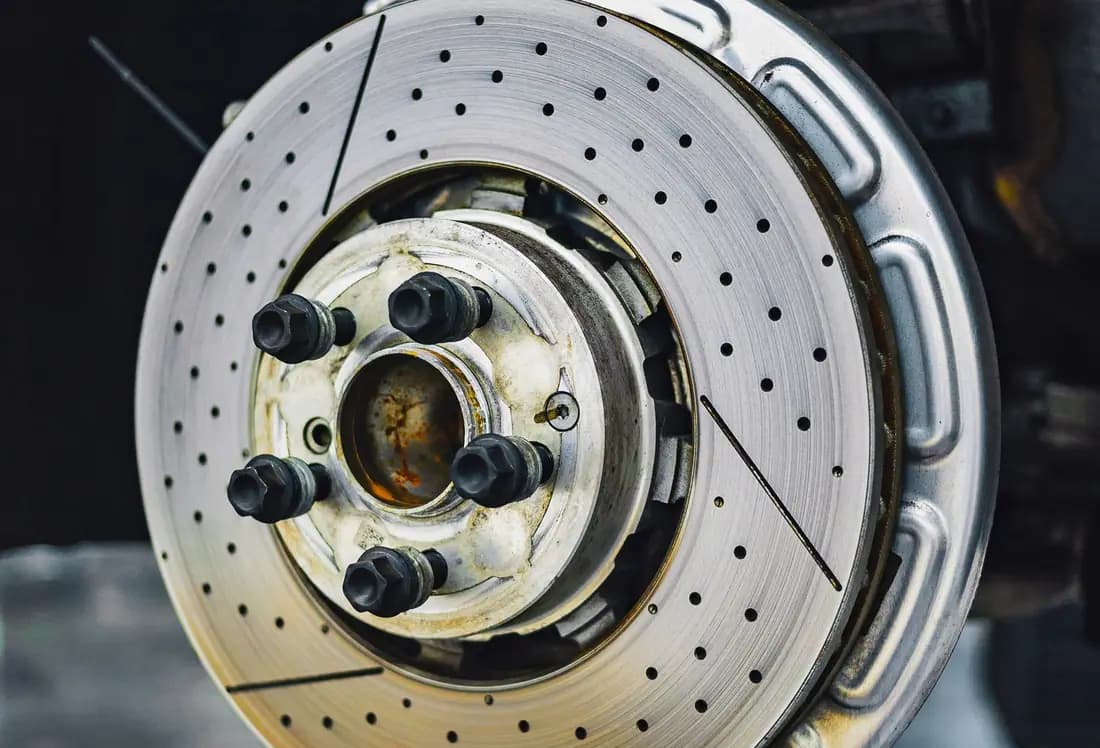
Brake System Components (Pads, Rotors, Calipers)
Purpose: deliver safe, predictable stopping power for compact crossover duty with curb weight from 1.3 tons (early XA10) to 1.7 tons (hybrid AWD variants). Symptoms: squealing or grinding during braking indicating worn friction material, reduced pedal bite requiring longer stopping distances, pulsation through pedal showing warped rotors, ABS or brake system dashboard warnings, visible scoring or rust pitting on disc surfaces, caliper drag causing premature pad wear and reduced fuel economy. Replacement interval: front brake pads typically 40-60k km in GCC urban use (accelerated by frequent stop-and-go traffic, high heat, aggressive driving common in rental operations), rear pads 60-100k km depending on brake system balance and electronic brake distribution programming.
RAV4's positioning as a popular family and rental fleet vehicle means high-frequency duty cycles and diverse driver skill levels that accelerate brake wear. GCC ambient temperatures (45-50°C summer) increase friction material wear rates 20-30% through accelerated thermal degradation. Front rotors typically need replacement after 2-3 pad changes when heat cracks, warping, or excessive scoring develops — proactive rotor replacement during second pad service prevents comebacks from persistent pedal pulsation that pad replacement alone cannot fix.
Genuine Toyota brake components offer consistent friction characteristics, low dust generation, minimal noise, and clear warranty coverage — important for rental fleet returns and dealer service operations where customer perception matters. Premium aftermarket (Brembo, Akebono, Textar) provides equivalent or superior performance with documented OE-specification testing, preferred by independent workshops serving quality-conscious retail customers. Economy aftermarket acceptable for price-led fleet operations when quality policy allows, but may generate more dust, noise, and shorter service intervals — total cost analysis should include labor hours and comeback risk, not just part purchase price.
Suspension and Steering Components
Purpose: maintain ride comfort, handling predictability, and tire contact with road surface under varying load and road conditions from smooth highways to broken urban pavement common in GCC cities. Symptoms: excessive bouncing or floating over highway undulations, nose dive under braking (worn front struts), clunking noise over bumps (worn bushings, control arm mounts, or sway bar links), steering wander or imprecise feel (suspension geometry drift from worn bushings), uneven tire wear patterns, steering wheel vibration at highway speed. Replacement interval: struts and shocks typically 80-120k km under normal conditions, but shortened significantly by rough roads (potholes, aggressive speed humps common in GCC urban planning), rental fleet high-frequency daily use, or operation on unpaved surfaces.
GCC urban road infrastructure — particularly speed humps designed for aggressive speed reduction, poorly maintained secondary roads, commercial loading zones with broken pavement, and construction zone detours over rough surfaces — accelerates suspension component wear rates compared to well-maintained highway-dominated use in temperate markets. High ambient heat degrades rubber bushings, shock absorber seals, and damper oil viscosity faster than temperate climates. Premium brands (KYB, Bilstein, Monroe OESpectrum) offer superior heat dissipation through gas-charged designs, better seal materials resistant to heat degradation, and more consistent damping characteristics over component lifespan.
Control arm bushings (front lower particularly high-wear), sway bar links, tie rod ends, and rack boots require periodic inspection during routine service rather than waiting for complete failure. Ball joint wear is safety-critical — complete separation allows wheel collapse and loss of steering control. Inspect for vertical and horizontal play during every major service; replace proactively when play detected. OEM-equivalent or premium aftermarket (Moog, TRW, CTR) recommended for safety-critical steering and suspension linkage where component quality directly affects occupant safety.
Air Filtration Systems (Engine and Cabin)
Purpose: protect engine intake system from dust and sand ingestion that causes premature cylinder liner wear, piston ring damage, and bearing surface degradation; maintain cabin HVAC system performance and occupant air quality by filtering recirculated air before entering passenger compartment. Symptoms: sluggish throttle response and poor acceleration (restricted airflow to engine), elevated fuel consumption as ECU compensates for reduced oxygen availability, visible dust accumulation when filter element inspected or held to light source, weak AC airflow from vents (blocked cabin filter increasing system back-pressure), musty or unpleasant cabin odors (biological growth on saturated cabin filter media). Replacement interval: significantly shorter in GCC desert environments compared to temperate markets — engine air filters often require replacement every 15-20k km vs standard 30-40k km intervals specified for clean-air regions, cabin filters clog even faster especially in vehicles driven with windows open or parked in open-air lots without covered parking.
RAV4 engine air filter design uses large-area pleated cellulose or synthetic media with perimeter sealing gaskets that must mate properly to filter housing to prevent dust bypass around filter edges — even small gaps in seal contact allow abrasive particles to enter intake manifold and eventually engine cylinders, causing accelerated wear visible through oil analysis or cylinder bore scoping. Genuine Toyota filters engineered for GCC dust loading patterns with proper media density, pleat count, and sealing material specifications. Quality aftermarket (Mann, Bosch, Mahle) acceptable when fitment verified and seal quality confirmed — avoid ultra-cheap unbranded filters with thin, loosely-pleated media and inferior seal materials that risk expensive engine damage through dust ingestion.
Cabin air filters should be replaced every 15-20k km in GCC dusty conditions to maintain AC system efficiency and blower motor longevity — clogged cabin filters increase static pressure across blower motor, raising amperage draw and accelerating motor bearing wear that eventually causes expensive blower failure. Some workshops skip cabin filter replacement to reduce customer invoice totals; this short-term cost reduction strategy risks long-term customer dissatisfaction from poor AC performance and potential HVAC system component failures from excessive blower motor loading.
Cooling System Parts (Radiators, Water Pumps, Thermostats)
Purpose: circulate engine coolant through cylinder block, cylinder head, and radiator core to maintain stable operating temperature (typically 85-95°C) and reject combustion waste heat through radiator airflow — absolutely critical function in GCC summer ambient temperatures reaching 45-50°C where cooling systems operate continuously near or beyond original design temperature margins intended for 20-30°C temperate climates. Symptoms: gradual or sudden coolant loss without visible external leak indicating internal head gasket breach or radiator tube corrosion, engine temperature gauge rising in traffic or under load showing insufficient heat rejection capacity, bearing noise or squealing from water pump pulley (bearing failure warning), coolant weeping from pump weep hole designed to warn of imminent seal failure, radiator cap pressure loss indicating cap seal degradation or neck damage. Replacement interval: radiators typically 6-8 years in GCC service (shortened by daily thermal cycling from cold start to full operating temperature, high mineral content in local water supplies affecting coolant chemistry, and external dust accumulation on fins reducing airflow efficiency) vs 10-15+ years in temperate markets with gentler thermal cycles; water pumps generally 80-120k km depending on belt-drive design, bearing specification, and seal material quality.
GCC summer heat and pervasive dust make cooling system reliability absolutely critical for RAV4 fleet operations and private use — engine overheating events can cause aluminum cylinder head warping (requiring expensive machining or replacement), head gasket failure allowing coolant-oil cross-contamination, and secondary damage to catalytic converters from unburned fuel. Radiators commonly fail at plastic tank mounting points (thermal cycling fatigues plastic-to-aluminum joints) or develop pinhole leaks in tube-to-fin solder joints after years of thermal stress. Water pumps fail progressively through bearing degradation (noise develops before complete seizure), seal wear (coolant weeping from weep hole), or impeller cavitation damage from contaminated or aerated coolant. Always replace thermostat during water pump service — labor is already committed, thermostat cost is minimal, and thermostat failure shortly after pump replacement creates costly repeat repair with duplicate labor charges.
Genuine Toyota or quality OEM cooling components (AISIN, NPW, Koyo radiators) strongly preferred due to critical nature of cooling system and expensive consequences of failure. Economy aftermarket radiators may use thinner aluminum tube walls, inferior plastic tank materials (more prone to thermal stress cracking), and less rigorous manufacturing quality control leading to premature failure and potential expensive secondary engine damage from overheating.
Electrical System Components (Alternators, Starters, Batteries)
Purpose: alternator generates electrical power to charge battery and supply vehicle electrical systems during engine operation; starter motor converts battery electrical energy to mechanical cranking torque for engine start; battery stores electrical charge for starting function and powers vehicle accessories when engine off. Symptoms: slow engine cranking speed or complete no-start condition indicating insufficient battery charge or failed starter motor, battery warning light illuminated on dashboard showing alternator undercharging, progressive dimming of headlights and interior lights under electrical load (AC compressor, audio system, headlights simultaneously) revealing alternator capacity loss, clicking noise from starter solenoid without engine cranking indicating solenoid contact failure or critically low battery voltage, repeated battery failures within 12-18 months suggesting chronic alternator undercharging. Replacement interval: batteries rarely exceed 24-30 months service life in GCC outdoor parking conditions (summer heat accelerates internal plate degradation and electrolyte evaporation) vs 48-60+ months typical in temperate climates with garage parking; alternators and starters generally 120-180k km depending on duty cycle severity, environmental dust exposure, and component quality.
Extreme GCC summer heat — particularly vehicles parked outdoors in direct sun where under-hood temperatures can exceed 70-80°C — accelerates battery degradation through accelerated chemical reaction rates causing active material shedding from lead plates and electrolyte stratification in flooded designs. Battery life in GCC outdoor parking rarely exceeds 24-30 months regardless of brand or CCA rating — this is normal physics, not premature failure or defective components. Alternator bearings and rectifier diode bridges fail progressively in dusty GCC conditions where fine particles infiltrate through bearing seals and dust accumulation on diode heat sinks reduces cooling efficiency. Starter motor carbon brushes wear faster under high-amperage cranking loads common when starting hot-soaked engines in extreme ambient heat.
Genuine Toyota or quality remanufactured alternators and starters (with core exchange programs) offer reliable service with clear warranty coverage. Premium replacement batteries (Bosch, Varta, AC Delco) with higher CCA ratings and sealed maintenance-free construction preferred for GCC heat exposure. AGM (Absorbed Glass Mat) or enhanced flooded batteries offer longer service life through better resistance to thermal stress and vibration, though at 30-50% price premium over standard flooded designs. For fleet operations managing multiple RAV4 vehicles, budget annual battery replacement per vehicle as routine scheduled maintenance cost rather than unexpected breakdown expense — proactive replacement before complete failure reduces roadside service calls, towing costs, and customer dissatisfaction from no-start incidents.
Genuine vs OEM vs Aftermarket Decision Framework
Choosing between genuine and aftermarket spare parts depends on vehicle use, budget constraints, warranty requirements, and risk tolerance. Safety-critical systems warrant genuine or carefully verified OEM brands. Wear items and consumables can safely use quality aftermarket when brand reputation and application are confirmed.
| Factor | Genuine | OEM / Premium | Economy |
|---|---|---|---|
| Price | Highest | Mid-range | Lowest |
| Quality consistency | Highest | High when verified | Variable |
| Warranty clarity | Strong | Brand-dependent | Weak/absent |
| Best use | Safety-critical, warranty | Fleet operations | Budget-constrained |
VIN Verification for Accurate Fitment
Toyota RAV4 are sold across multiple markets with region-specific specifications, cooling packages, and engineering revisions. A vehicle built for GCC heat differs substantially from European or Asian variants even when model year appears identical.
Mosarat uses VIN (17-character chassis number) plus manufacturer catalog cross-references to identify exact specifications and avoid fitment errors. Upload your VIN via /vin or include it in your RFQ for generation-accurate, market-specific spare parts quotes.
UAE as Strategic Sourcing Hub
Dubai's auto parts ecosystem concentrates wholesale suppliers, authorized distributors, and freight forwarders serving GCC, African, and South Asian markets. For buyers in Saudi Arabia, Kuwait, Qatar, Bahrain, Oman, Egypt, Jordan, and beyond, UAE sourcing provides availability depth and competitive pricing.
Mosarat operates within this network: RFQs matched to vetted suppliers, quoted with transparency (genuine/OEM/aftermarket clearly labeled), exported with complete customs documentation.
International Shipping Process
- GCC destinations: Road or air express typically delivers in 2-5 days once picked and cleared
- Egypt, Jordan, Levant: Air for urgent parts; sea freight for volume orders
- Africa & South Asia: Air for critical downtime; sea consolidation for recurring orders
- Customs documentation: Commercial invoices, packing lists, certificate of origin, HS codes included
- Freight quotes: Delivery timelines and costs stated clearly based on mode and destination
How to Request a Quote
- Step 1: Gather VIN or chassis number, model year, engine type, and mileage context
- Step 2: List required spare parts with OE numbers if available, or clear descriptions plus photos
- Step 3: Specify destination country and preferred shipping mode (road, air, sea)
- Step 4: Define quality policy: genuine-only, mixed basket, or price-led on consumables
- Step 5: Submit via /quote form, WhatsApp, or email
- Step 6: Receive itemized AED quotation with lead times (typically 30 minutes)
- Step 7: Approve quote, pay via bank transfer or Stripe, receive dispatch tracking
Frequently asked questions
What is the difference between OEM and genuine Toyota RAV4 spare parts?
Genuine parts sold through authorized Toyota distributors carry Toyota branding, manufacturer warranty, and full traceability. OEM means equivalent manufacturing quality from suppliers who produce for Toyota factories (Denso, AISIN, Koyo) but sold without Toyota badge — often 30-50% lower pricing with equivalent quality when sourced carefully. Mosarat quotes both with clear labeling, brand names, origin, warranty terms, and lead times.
Can I order RAV4 spare parts by VIN?
Yes, strongly recommended. Share 17-character VIN via /vin upload or in RFQ. RAV4 spans five generations (XA10-XA50) with significant engineering differences — VIN identifies exact generation, engine (2.0L/2.4L/2.5L/hybrid), transmission, trim, production date, and destination market (GCC-spec vs other regions). VIN matching prevents costly cross-generation fitment errors. Mandatory for high-value parts.
How long does shipping take from UAE?
GCC destinations: 2-5 days road/air. Africa and South Asia: air 5-10 days urgent, sea 3-6 weeks volume. Timing includes UAE export clearance, transit, and typical destination customs — varies by infrastructure and clearing agent efficiency.
Are aftermarket RAV4 spare parts reliable?
Quality aftermarket from established manufacturers (Bosch, Mann, Brembo, NGK) reliable for filters, wear items, consumables when verified. Safety-critical components (brakes, steering, airbags) and complex electronics warrant genuine or proven OEM to reduce liability and failure risk.
Do you ship RAV4 parts internationally?
Yes. Mosarat exports from Dubai to Middle East, Africa, South Asia with air/sea options. Complete customs documentation included (invoices, packing lists, certificate of origin, HS codes).
Do you supply workshops only?
No. We serve Toyota dealers, independent workshops, fleet operators, individual RAV4 owners, parts importers, and exporters. Format adapts to B2B or retail needs.
How fast can I get a RAV4 parts quote?
Most complete RFQs ~30 minutes during UAE business hours (Sat-Thu 9 AM-6 PM GST). Complex/volume RFQs 2-4 hours for multi-supplier coordination.
What payment methods accepted?
Bank transfer (AED, USD, EUR) and Stripe checkout (cards, Apple/Google Pay) after quote approval. Fleet accounts can discuss payment terms.
What should I prepare before requesting RAV4 pricing?
VIN or chassis number, part OE numbers if known, photos of old parts, destination country, quality preference (genuine/OEM/aftermarket), urgency, quantity. Better info = faster, accurate quotes.
Which RAV4 generations do you support?
All generations in service: XA10 (1994-2000), XA20 (2000-2005), XA30 (2005-2012), XA40 (2012-2018), XA50 (2018-present). Availability varies — current readily available, superseded cross-referenced, discontinued may need specialist sourcing. VIN confirms older variants.
Do you offer warranty on RAV4 parts?
Warranty depends on part type and quality tier. Genuine Toyota parts carry manufacturer warranty via authorized channels (1-2 years typically). OEM/aftermarket varies by brand, disclosed in quotes.
Can you source hard-to-find RAV4 parts?
Yes. UAE network includes authorized distributors with discontinued stocks, specialist importers with superseded inventory, aftermarket manufacturers with replacement options. Complex RFQs 24-72 hours for sourcing across suppliers. Discontinued parts may only exist as aftermarket — we present all options transparently.
Conclusion
Sourcing spare parts for Toyota RAV4 from UAE combines competitive pricing, supply depth, and established export logistics. The optimal approach: clean parts list, VIN verification, and Dubai quote with transparent quality tier labeling.
Mosarat Auto Parts supports buyers worldwide with itemized RFQs, WhatsApp follow-up, VIN verification, and expert export dispatch from Dubai. Request your quote via /quote.